Tissue Repair Research Peptides
Peptides and blends used in laboratory models of cell migration, extracellular matrix remodelling and growth-factor signaling, each tested per lot. For research use only.
About Tissue Repair Research
Tissue repair research covers how cells migrate, how the extracellular matrix is built and remodelled, and how signaling pathways such as nitric oxide and growth-factor expression respond to injury in laboratory models. The compounds in this category are among the most widely studied peptides in that field.
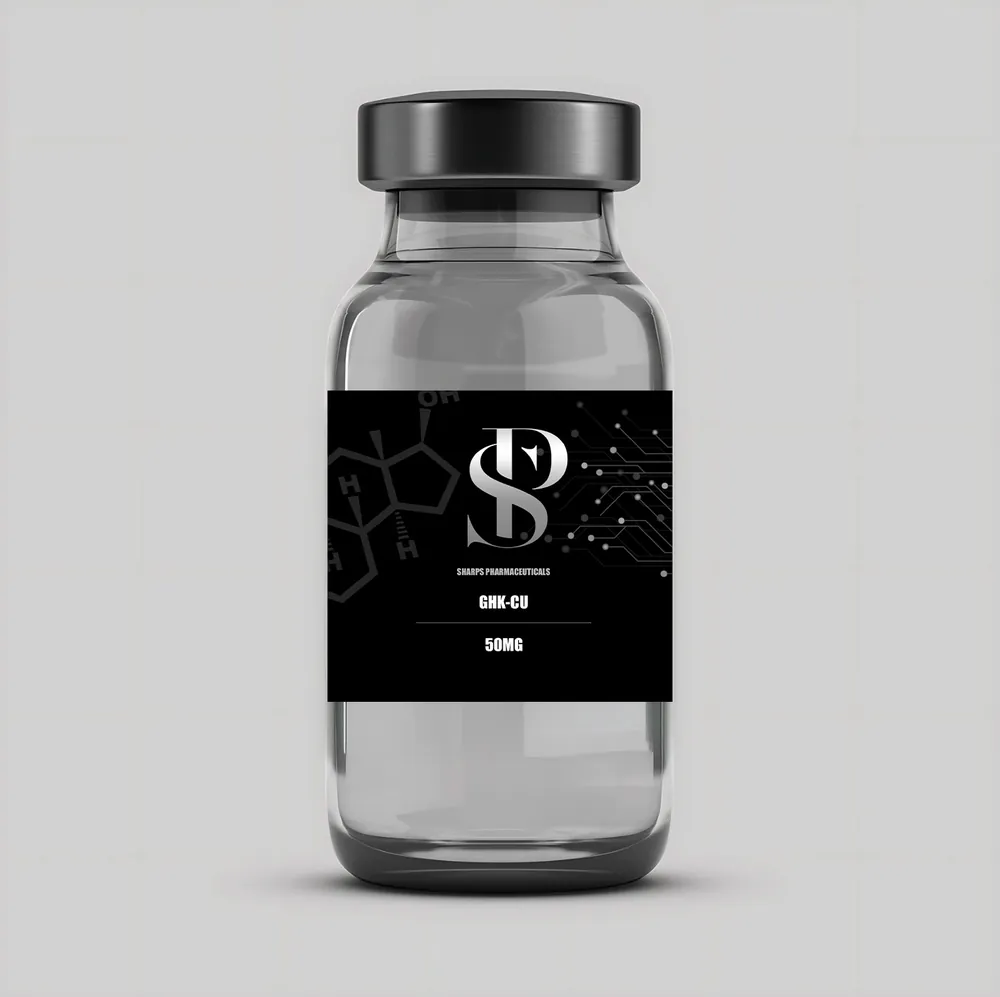
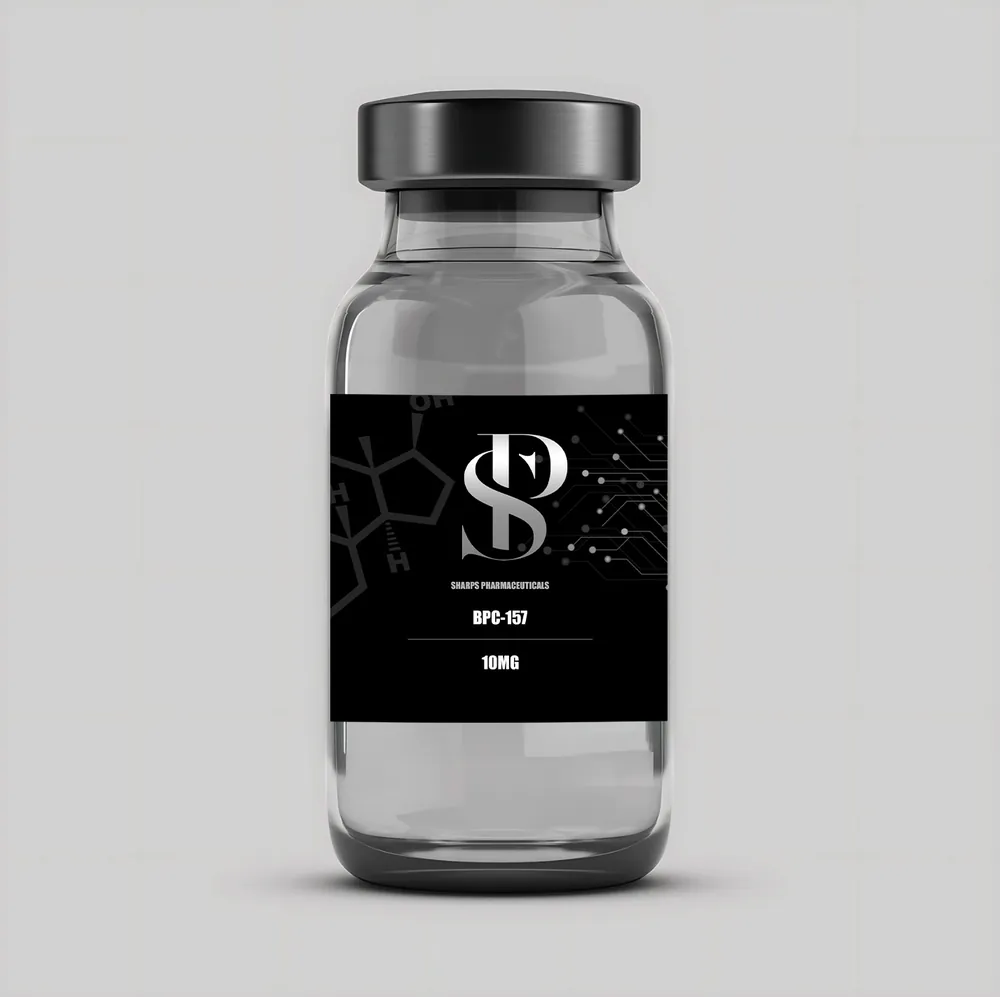
BPC-157 is a 15-amino-acid pentadecapeptide examined in preclinical models of nitric oxide signaling and fibroblast behaviour. TB-500 is full-length synthetic thymosin β4, studied for its role in actin binding and cell migration. GHK-Cu, the copper complex of a naturally occurring tripeptide, has five decades of research on collagen synthesis and gene expression. KPV is a tripeptide fragment of α-MSH studied in cell models of inflammatory signaling.
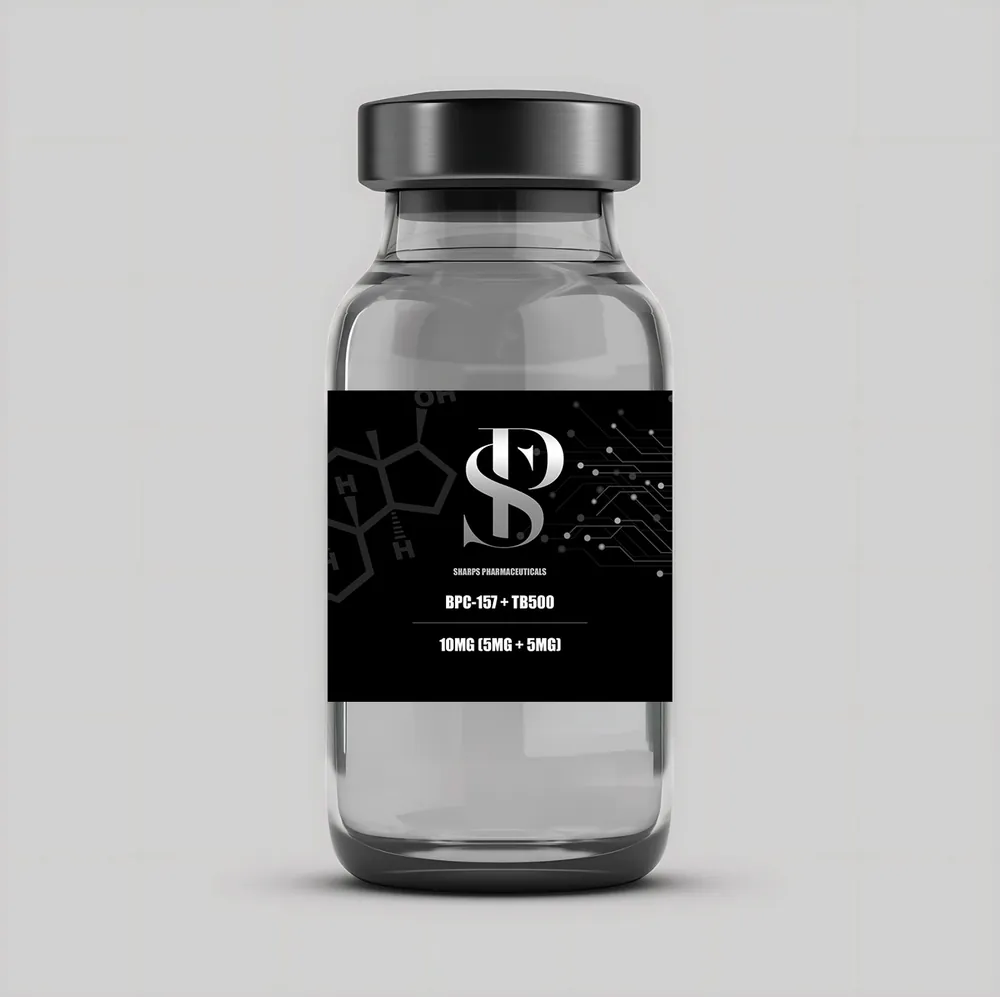
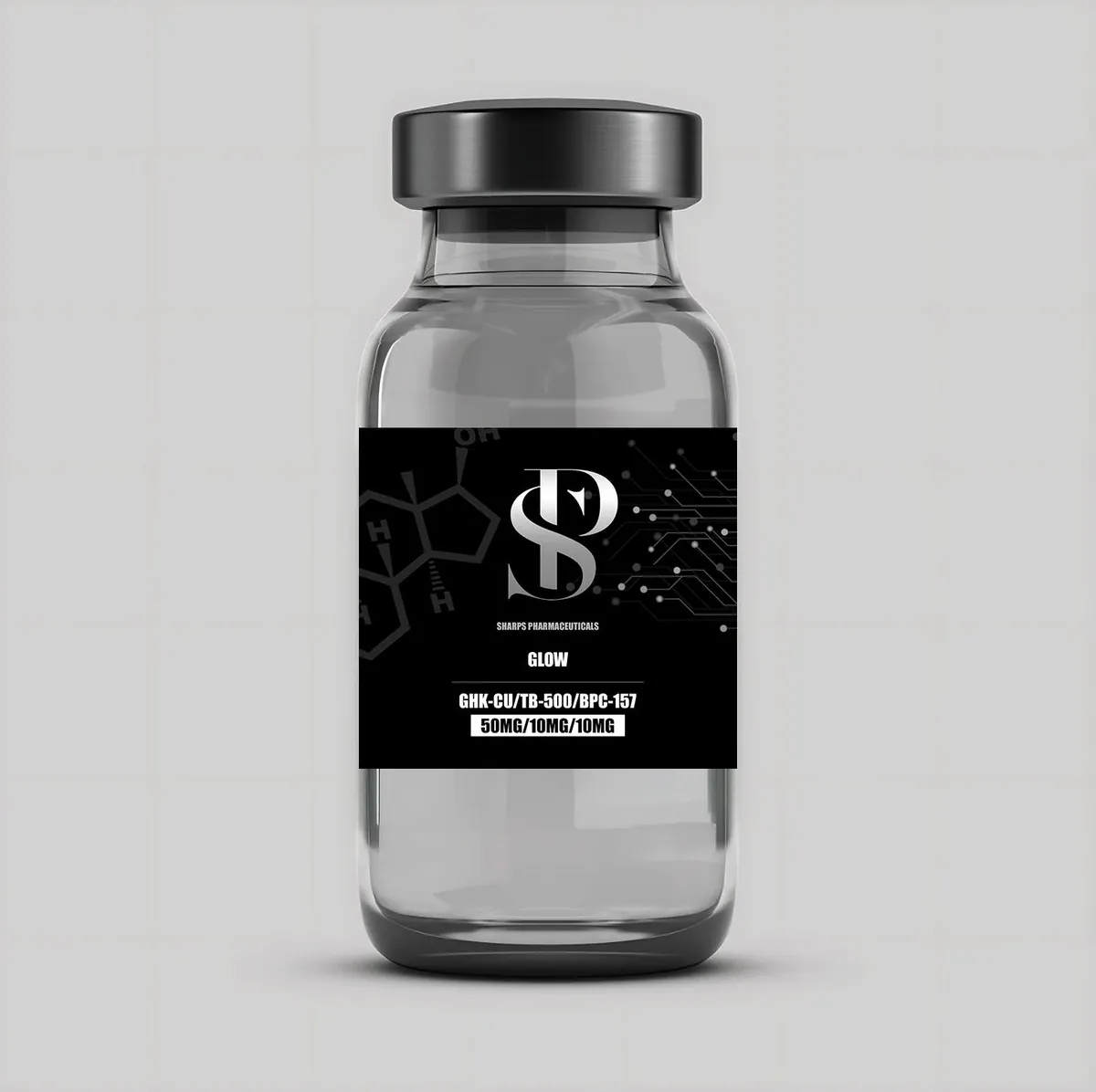
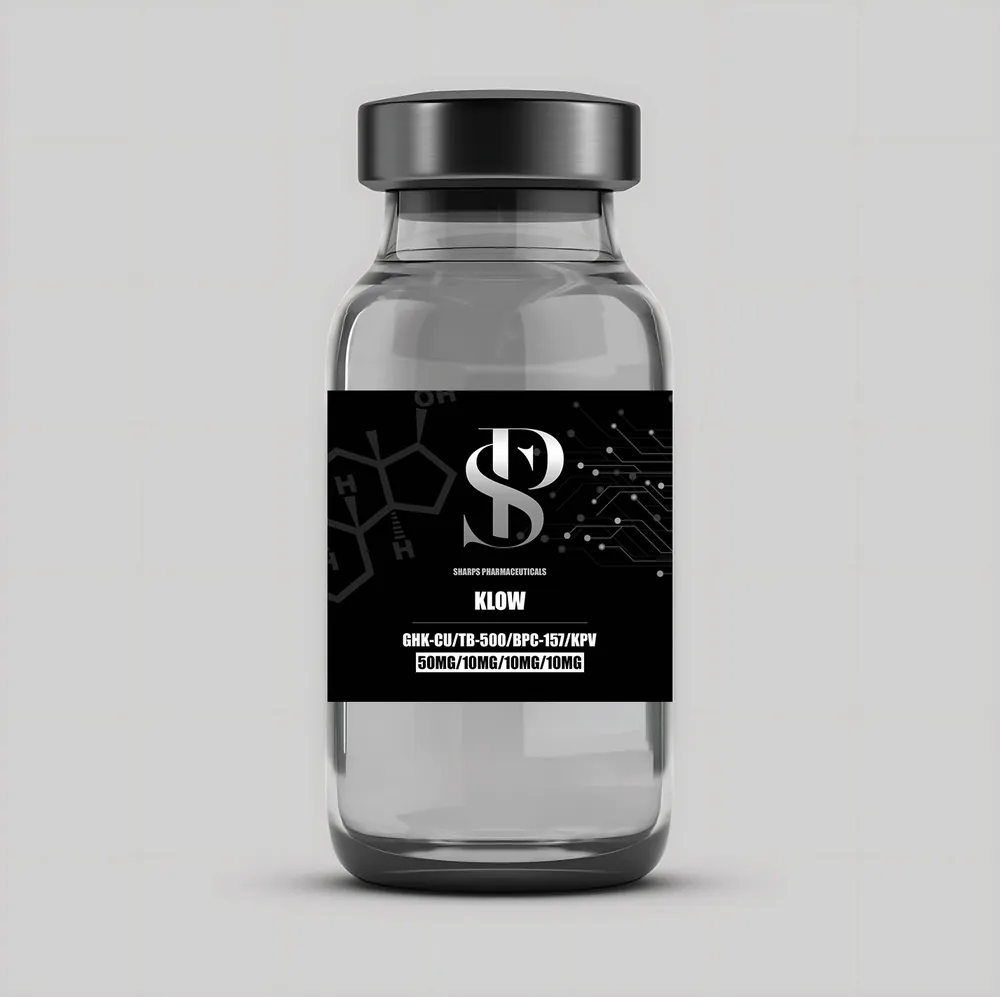
We also carry pre-mixed blends (BPC-157 + TB-500, GLOW Blend and KLOW Blend) for researchers studying these compounds together. Published research on the combinations is limited, and each product page notes this.
Every product ships from Ontario by tracked Canada Post within 1–2 business days. Each lot is tested by an independent laboratory using HPLC and mass spectrometry, and certificates for tested lots are published in our COA library, and each can be verified directly with the lab. All products are supplied for in-vitro laboratory research use only.
To choose between them, decide whether your study needs one compound or several. BPC-157, TB-500, GHK-Cu and KPV are single compounds; the BPC-157 + TB-500 blend, GLOW and KLOW combine several in one vial, with the component amounts listed on each product page.
Testing and documentation
Each peptide lot is tested by an independent laboratory using HPLC for purity and mass spectrometry for identity. Certificates are published by lot in our certificate of analysis library, and our guide explains how to verify a COA against the lot number on your vial. See the certificate of analysis library and how to verify a COA.
Research articles
Frequently asked questions
What is the difference between BPC-157 and TB-500?
They are different peptides. BPC-157 is a 15-amino-acid fragment, while TB-500 is a synthetic peptide based on thymosin beta-4. Our BPC-157 vs TB-500 article compares them in detail.
Does the BPC-157 + TB-500 blend have its own certificate?
Yes. The blend is tested as its own lot, and its certificate is listed in the certificate of analysis library.
What is the difference between GLOW and KLOW?
Both are multi-compound blends. KLOW adds KPV to the GLOW formula, so it has a larger total amount per vial (80mg versus 70mg).